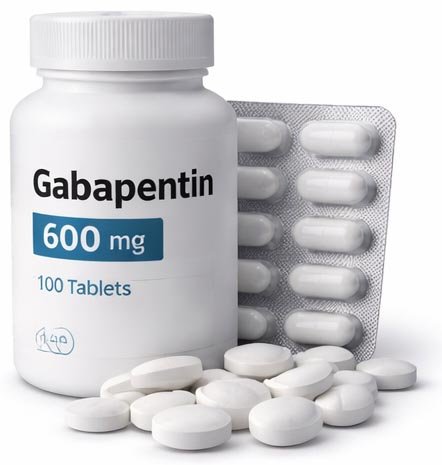
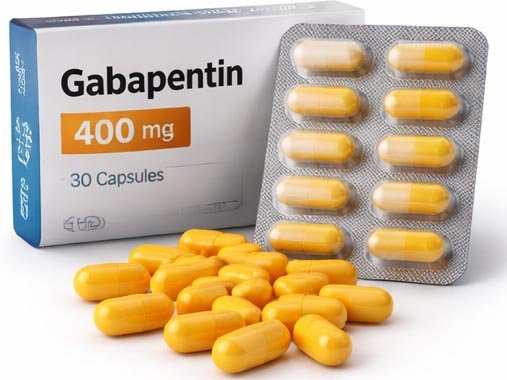
Understanding Gabapentin’s Available Strengths Gabapentin’s dose range — from 100mg capsules through 800mg tablets — is broader than most central nervous system medications, reflecting the wide range of therapeutic targets across its approved and off-label indications and the nonlinear pharmacokinetics that require dose individualization. For patients who buy gabapentin online . . . Read more
The Neuropathic Pain Epidemic and Gabapentin’s Role Neuropathic pain — pain arising from damage, disease, or dysfunction of the somatosensory nervous system rather than from active tissue injury — affects an estimated 7–10% of the general population globally, representing one of the largest and most inadequately treated categories of chronic . . . Read more
Tramadol is one of the most widely prescribed analgesics in the United States and globally — a Schedule IV opioid with a clinically unique dual mechanism that positions it between non-opioid analgesics and more potent Schedule II opioids in the analgesic hierarchy. For patients who suffer from moderate to moderately . . . Read more
Tramadol is a Schedule IV opioid analgesic with a dual mechanism that distinguishes it from conventional opioids and occupies a specific clinical niche: moderate pain that exceeds the analgesic ceiling of non-opioid analgesics but does not require the full potency of Schedule II opioids. For patients who have received a . . . Read more
Xanax — the brand name for alprazolam — is one of the most prescribed medications in the United States and among the most clinically important rapid-acting anxiolytics in the benzodiazepine class. For patients with anxiety disorders, panic disorder, and anxiety associated with depression who receive valid alprazolam prescriptions from licensed . . . Read more
Diazepam — marketed as Valium — is one of the most clinically versatile medications in the benzodiazepine class, holding FDA approval across a remarkably broad range of indications: anxiety disorders, alcohol withdrawal, muscle spasm, seizure disorders, and procedural sedation. This clinical breadth reflects diazepam’s pharmacological characteristics — particularly its long . . . Read more
Acute muscle spasm — the tightening, involuntary contraction of muscle groups that commonly accompanies low back strain, cervical strain, and musculoskeletal injury — is among the most common reasons for medical consultation. For patients in whom pain and spasm significantly impair function and sleep, carisoprodol’s dual analgesic-enhancing and sedative-anxiolytic mechanism . . . Read more
Ativan — the brand name for lorazepam — is one of the most clinically versatile benzodiazepines in modern medicine, holding a prominent position in the management of anxiety disorders, acute seizure emergencies, alcohol withdrawal, procedural sedation, and insomnia associated with anxiety. Its distinctive pharmacological profile — no active metabolites, glucuronidation . . . Read more
Fioricet is a combination prescription analgesic containing three pharmacologically distinct components — butalbital (a barbiturate), acetaminophen, and caffeine — that together provide multi-mechanism relief for tension-type headaches. For patients who have received a comprehensive headache evaluation, a clinical diagnosis confirming tension-type headache as the primary indication, and a valid Fioricet . . . Read more
Adderall — a combination of amphetamine salts (75% dextroamphetamine, 25% levoamphetamine) — is the most prescribed stimulant medication for Attention Deficit Hyperactivity Disorder (ADHD) in the United States and one of the most robustly evidence-supported pharmacological treatments in all of psychiatry. For patients who have received a comprehensive diagnostic evaluation, . . . Read more