The Challenge of Chronic Pain in America Chronic pain affects an estimated 50 million American adults — approximately 20% of the adult population — making it one of the most prevalent and costly health conditions in the United States. Of these, roughly 19.6 million experience high-impact chronic pain that significantly . . . Read more
Introduction: Tramadol’s Role in Modern Pain Management Pain is one of the most fundamental and universal human experiences, yet its management remains one of the most complex challenges in clinical medicine. Choosing the right analgesic requires careful consideration of pain type and severity, patient-specific risk factors, potential drug interactions, and . . . Read more
The Cost of Anxiety Treatment: A Real-World Challenge Anxiety disorders impose a substantial economic burden on patients and healthcare systems alike. Direct costs — physician visits, medication, psychotherapy — and indirect costs — lost work productivity, disability, increased medical utilization — together create a financial impact that can be significant . . . Read more
Individual Variation in Diazepam Response One of the most striking clinical features of diazepam therapy is the extraordinary degree of individual variation in pharmacokinetics and pharmacodynamics. Two patients of the same age and weight, receiving identical doses on the same schedule, may experience dramatically different plasma concentrations, clinical effects, and . . . Read more
The Scope of Anxiety in Contemporary Life Anxiety disorders affect more adults in the United States than any other category of mental health condition. Generalized Anxiety Disorder alone affects approximately 6.8 million Americans, with lifetime prevalence estimates suggesting that roughly one in three adults will meet criteria for an anxiety . . . Read more
Why Diazepam Safety Education Is Essential Diazepam (Valium) is one of the most pharmacologically active medications in routine clinical use, interacting with a wide range of other drugs and carrying risks that span respiratory depression, cognitive impairment, dependence, and serious withdrawal. Thorough patient education about these risks is not a . . . Read more
Diazepam’s Unique Clinical Versatility Among all benzodiazepine medications, diazepam (Valium) stands apart for the sheer breadth of its clinically validated applications. While most benzodiazepines are primarily associated with anxiety treatment, diazepam’s particular combination of pharmacological properties — long half-life, broad anticonvulsant spectrum, potent muscle relaxant activity, and reliable anxiolysis — . . . Read more
Introduction: Valium’s Enduring Role in Modern Medicine Valium — the iconic brand name for diazepam — is one of the most recognized medications in the world. First synthesized in 1959 by Leo Sternbach at Hoffmann-La Roche and introduced clinically in 1963, diazepam quickly became the world’s best-selling pharmaceutical during the . . . Read more
The Real Cost of Anxiety: Why Affordable Treatment Matters Anxiety disorders impose an enormous economic burden — not just on the healthcare system, but on the individuals and families living with these conditions. Reduced work productivity, increased medical utilization, emergency department visits for panic attacks, and the direct costs of . . . Read more
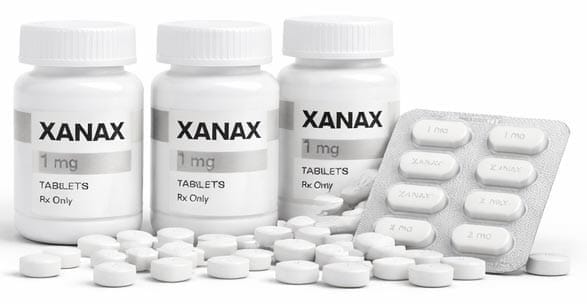
Why Special Populations Require Extra Care With Xanax While Xanax (alprazolam) is safe and effective for the broad population of appropriately selected adult patients, certain groups require special consideration, modified dosing strategies, enhanced monitoring, or in some cases, alternative treatments. These special populations — the elderly, pregnant and breastfeeding women, . . . Read more