

Buy Oxycodone Online A Comprehensive Patient Guide to This Prescription Opioid Analgesic
What Is Oxycodone?
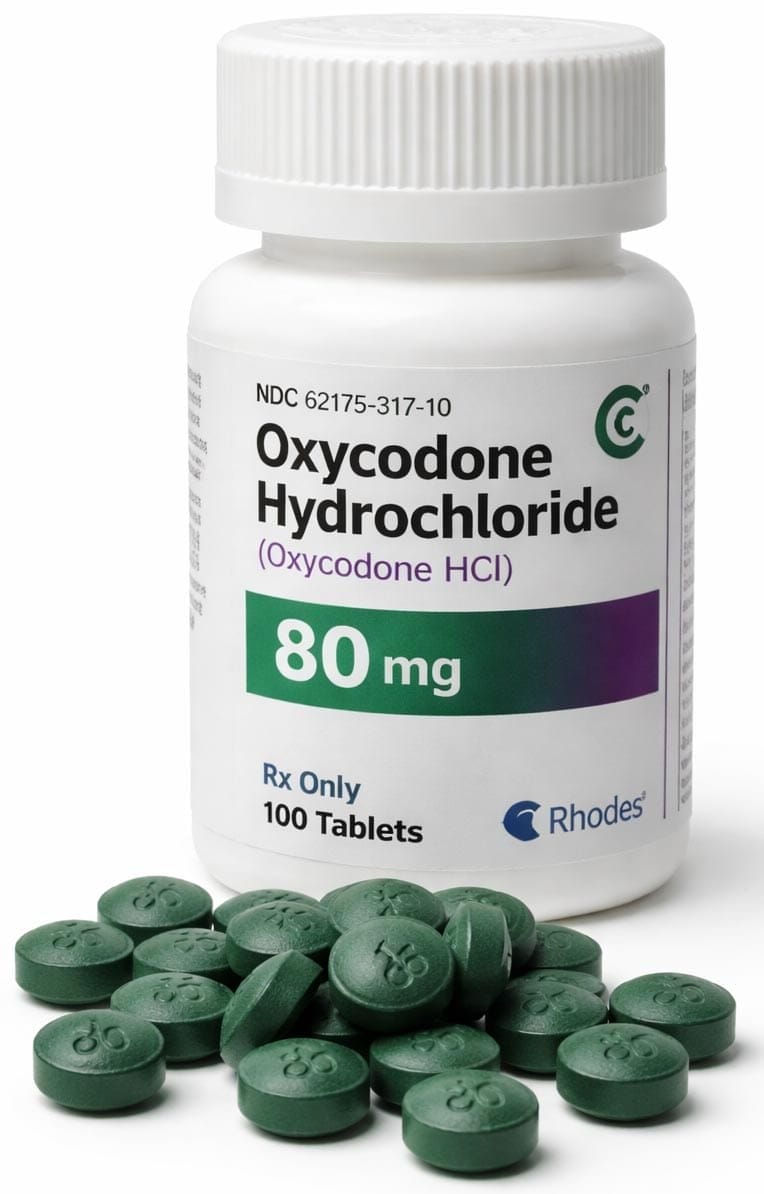
Oxycodone is a semi-synthetic opioid analgesic derived from thebaine, an alkaloid found in the opium poppy. It is prescribed for the management of moderate to severe pain when non-opioid analgesics and weaker opioids have proven inadequate. Available in immediate-release formulations (Roxicodone, generic oxycodone) and extended-release formulations (OxyContin), as well as in combination products with acetaminophen (Percocet) and ibuprofen, oxycodone is one of the most widely prescribed opioid analgesics in the United States.
As a Schedule II controlled substance—the most restrictive classification applied to medications with recognized medical uses—oxycodone is subject to strict prescribing and dispensing regulations. A valid prescription from a licensed physician or advanced practice provider is required for every dispensing, and in most states, Schedule II prescriptions cannot be telephoned in and cannot have refills. Patients who have a valid prescription can buy oxycodone online and can obtain it through licensed pharmacies that are authorized to dispense Schedule II substances.
Oxycodone exerts its analgesic effects primarily through agonism at mu-opioid receptors in the central nervous system. These receptors, located throughout the brain and spinal cord, are involved in pain modulation, mood regulation, reward processing, and respiratory control. The relative potency of oral oxycodone compared to morphine is approximately 1.5:1, meaning a given dose of oxycodone provides roughly 50% more analgesia than an equivalent weight dose of morphine.
Indications, Dosage, and Administration
Immediate-release oxycodone is indicated for the management of moderate to severe pain where around-the-clock opioid analgesia is not required. Extended-release oxycodone (OxyContin) is indicated for the management of pain severe enough to require daily, around-the-clock, long-term opioid treatment in patients for whom alternative treatments are inadequate. This distinction reflects the important principle that extended-release opioids are intended for chronic, refractory pain states, not for episodic or post-procedural pain management.
For opioid-naive patients with moderate to severe pain, the typical starting dose of immediate-release oxycodone is 5 to 15 mg every 4 to 6 hours as needed. Doses are titrated based on pain response and tolerability, typically increasing by 25% to 50% every 24 to 48 hours until adequate analgesia is achieved. Extended-release oxycodone tablets must be swallowed whole and must never be crushed, chewed, or dissolved, as this eliminates the extended-release mechanism and causes rapid delivery of the entire dose—dramatically increasing the risk of overdose and death.
As a Schedule II controlled substance, the DEA enforces strict regulations on the storage, dispensing, and record-keeping of oxycodone at the pharmacy level. The Ryan Haight Online Pharmacy Consumer Protection Act prohibits the dispensing of oxycodone via the internet without a valid prescription issued following an in-person medical evaluation. Patients with a valid prescription can fill it at any licensed pharmacy authorized to handle Schedule II controlled substances, and should expect the pharmacist to verify prescription authenticity, check the state prescription drug monitoring program (PDMP), and provide clinical counseling on proper use.
Proper storage of oxycodone at home is essential—it should be kept in a secure location away from children and others for whom the medication was not prescribed. Unused oxycodone should be disposed of through authorized drug take-back programs to prevent diversion and accidental ingestion.
Risks, Safety, and Responsible Pain Management
The side effects of oxycodone include constipation, nausea, vomiting, sedation, dizziness, and pruritus. Constipation is the most persistent side effect and does not diminish with time; proactive bowel management with stimulant laxatives should be initiated when opioid therapy begins. The FDA requires opioid analgesics to carry a black box warning highlighting the risks of addiction, abuse, misuse, respiratory depression, and death. All patients prescribed opioids should be offered naloxone and should receive education on its use as an emergency overdose reversal agent.
Risk stratification tools, urine drug screening, prescription drug monitoring program queries, and regular clinical monitoring are standard components of responsible opioid prescribing. Patients should maintain regular follow-up appointments and communicate openly with their physician about pain control, functional status, and any concerns about their medication.
The prescribing of oxycodone occurs in a complex context shaped by the ongoing opioid crisis in the United States. Responsible opioid prescribing requires clinicians to carefully balance the legitimate need for adequate pain control with the imperative to prevent harm. Opioid stewardship programs aim to ensure that opioids are prescribed only when clinically indicated, at the lowest effective dose, for the shortest necessary duration, and with appropriate patient monitoring and education.
For patients with chronic non-cancer pain on long-term opioid therapy, regular reassessment of the indication, dose, and ongoing benefit is essential. Non-opioid and non-pharmacological analgesic approaches—including physical therapy, interventional pain procedures, cognitive-behavioral therapy for chronic pain, and integrative medicine approaches—should be continually explored as complements or alternatives to opioid therapy. Patients who have a legitimate medical need and a valid prescription can access oxycodone safely and legally through authorized pharmacies, with the commitment to responsible pain management at the center of the treatment relationship.