

Buy Ambien Online End of Life Insomnia in Palliative Care
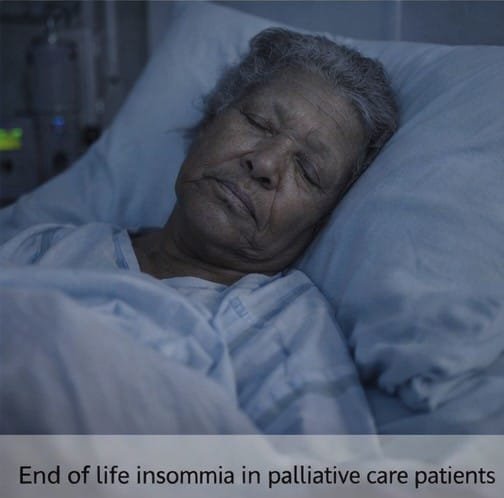
Insomnia and sleep disturbance at the end of life are among the most prevalent, most distressing, and most inadequately managed symptoms experienced by patients in palliative care settings. Surveys of patients with advanced cancer, organ failure, and other life-limiting illnesses consistently report sleep disturbance rates of sixty to eighty percent or higher, with a substantial proportion experiencing severe insomnia that significantly impacts quality of life, emotional wellbeing, and the ability to engage meaningfully with family and with the psychological and spiritual dimensions of the dying process. In the palliative care context, adequate sleep is not simply a matter of physical comfort — it is a prerequisite for the cognitive clarity, emotional capacity, and physical reserve that allow patients to communicate with their families, engage in life review, manage existential distress, and experience the dignity and meaning that define a good death for most patients and their loved ones.
The clinical imperative to achieve adequate sleep management at the end of life reflects the same ethical priority that drives palliative pain management — the relief of avoidable suffering and the preservation of the patient’s remaining capacity for meaningful existence — and demands the same unreserved pharmacological approach. In palliative care, the concerns about long-term hypnotic dependence, tolerance development, and next-day cognitive impairment that appropriately constrain prescribing in non-terminal contexts become largely irrelevant, and the primary clinical obligation shifts entirely toward effective symptom relief within the patient’s preferred level of consciousness. Families and caregivers of terminally ill patients with severe insomnia who explore how to buy Ambien online medical evaluation services through licensed palliative telehealth platforms, or who need to understand how to purchase Lunesta with valid prescription for a homebound dying patient, should access services coordinating with the patient’s primary palliative care team to ensure integrated management.
Causes of Sleep Disturbance in Palliative Patients
Sleep disturbance in palliative care patients arises from a convergence of disease-related, treatment-related, environmental, and psychological factors that must be systematically identified and addressed in order to develop effective management strategies. Inadequately controlled physical symptoms — particularly pain, dyspnea, nausea, pruritus, and urinary frequency — directly disrupt sleep through their arousing effects and represent the highest-priority targets for symptom management, as improving symptom control is both intrinsically important and likely to produce the greatest secondary sleep benefit. Pain is the most prevalent sleep-disrupting symptom in palliative cancer patients, and its adequate management through appropriate analgesic titration — including opioid dose optimization for nocturnal pain coverage — is prerequisite to achieving meaningful sleep improvement.
Medication-related sleep disturbance is particularly prevalent in palliative patients, who typically receive multiple central nervous system active medications that can paradoxically impair sleep at certain doses or timing. Corticosteroids — used extensively in palliative care for appetite stimulation, anti-emesis, pain relief from perineural edema, and mood elevation — produce dose-dependent insomnia that is most pronounced when doses are administered in the late afternoon or evening. Diuretics given for edema management may produce nocturia that disrupts sleep. Some chemotherapy agents and targeted therapy drugs produce insomnia as a direct adverse effect. Dose timing optimization — administering corticosteroids in the morning rather than the evening, consolidating diuretic doses earlier in the day, and reviewing all medications for sleep-disrupting properties — can produce meaningful improvements in sleep without requiring additional prescribing.
The psychological and existential dimensions of terminal illness generate sleep-disrupting anxiety, rumination, and existential distress that require specific acknowledgment and management. Anticipatory anxiety about dying — fears about the mode of death, concerns about leaving family, unresolved relationships, and existential uncertainty — produces the cognitively hyperaroused pre-sleep state that prevents the mental quieting that sleep requires, even when physical symptoms are well controlled. Delirium — acute confusional state that affects up to eighty percent of patients in the final days and weeks of life — produces severe disruption of the sleep-wake cycle through its effects on the circadian regulatory systems of the hypothalamus and through the agitation and hyperarousal that characterize its hyperactive form.
Pharmacological Sleep Management in Palliative Care
The pharmacological management of insomnia in palliative care requires individualization based on the specific sleep complaint, the patient’s overall pharmacological burden, their level of consciousness and cognitive function, their prognosis and expected trajectory, and their expressed preferences regarding sedation and alertness. Z-drug hypnotics — zolpidem, eszopiclone, and zopiclone — remain appropriate for patients with moderate functional status and predominant sleep initiation or maintenance insomnia in the absence of significant delirium risk factors, providing effective sleep facilitation with a more selective pharmacological profile than benzodiazepines. Patients in palliative care who order zopiclone with medical prescription or purchase Ambien online through licensed palliative pharmacy services for home-based end-of-life care should have their prescriptions managed by a palliative care-experienced provider who understands the specific dosing and monitoring requirements of the terminal illness context.
Benzodiazepines — particularly lorazepam, clonazepam, and midazolam — play a larger role in palliative care sleep and symptom management than in non-terminal settings, justified by their broader spectrum of symptom relief encompassing anxiety, agitation, dyspnea, and terminal restlessness in addition to insomnia, and by the reduced relevance of long-term dependence concerns in the terminal context. Midazolam, available in subcutaneous infusion through syringe drivers in home palliative care, provides continuous sedation for patients with refractory agitation or terminal restlessness in the final hours and days of life. Low-dose antipsychotics including haloperidol and quetiapine address both the sleep disturbance and the hyperactive agitation of delirium, representing the most clinically appropriate pharmacological approach for delirium-related sleep disruption.
Family and Caregiver Support in Sleep Management
The sleep management of terminally ill patients at home is substantially dependent on the knowledge, capacity, and support of family caregivers who administer medications, monitor symptoms, and communicate with healthcare providers about changes in the patient’s condition. Caregiver education about the specific sleep medications prescribed — including correct timing, dose adjustment criteria, signs of over-sedation requiring dose reduction, and indications for urgent contact with the palliative care team — is an essential component of home-based palliative sleep management. Caregivers who understand why adequate sleep is clinically important, what specific interventions are available and how they work, and when escalation of sleep management is needed are substantially more effective partners in providing the comprehensive comfort care that terminally ill patients deserve.
The grief and anticipatory loss experienced by family caregivers during the terminal illness phase produce their own sleep disturbance that may impair their capacity to provide care and that requires recognition and support from the palliative care team. Caregiver sleep deprivation — from the combined burden of nighttime symptom management, anticipatory grief, and the physical and emotional demands of caregiving — is one of the most significant predictors of caregiver burnout and premature patient institutionalization. Palliative care teams that address caregiver sleep alongside patient sleep — providing practical guidance, respite planning, and access to buy Ambien online prescribing guidelines information through licensed telehealth services for caregivers who themselves develop significant insomnia — provide a more comprehensive and family-centered model of end-of-life care that better sustains the home caregiving relationship through the final period of the patient’s life.