

Buy Adderall for Cognitive Impairment After Traumatic Brain Injury
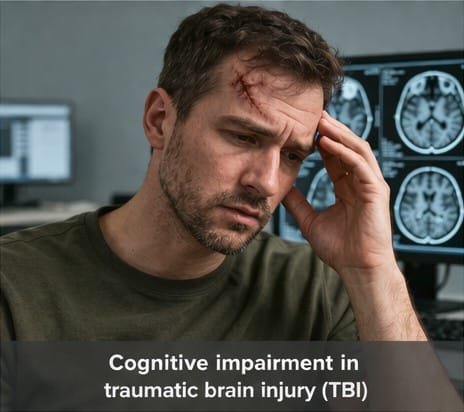
Traumatic brain injury represents one of the most significant causes of acquired neurological disability in the modern world, affecting an estimated sixty-nine million individuals globally each year across a severity spectrum that ranges from mild concussion to catastrophic injury with prolonged unconsciousness and permanent neurological deficit. In the United States alone, approximately two million people sustain traumatic brain injuries annually, with over fifty thousand deaths, nearly three hundred thousand hospitalizations, and millions of emergency department visits attributable to traumatic brain injury each year. While improvements in acute trauma care, neurosurgical management, and neurorehabilitation have substantially reduced mortality and improved short-term outcomes, the long-term cognitive, behavioral, and functional consequences of traumatic brain injury — particularly of moderate and severe injuries — remain a major cause of chronic disability, caregiver burden, and societal cost.
Cognitive impairment is among the most prevalent, persistent, and functionally significant long-term consequences of moderate to severe traumatic brain injury, affecting the vast majority of survivors at some point in their recovery and persisting as clinically significant disability in a large proportion beyond the expected acute recovery period. The cognitive domains most commonly impaired include sustained and divided attention, processing speed, working memory and new learning, executive function encompassing planning and cognitive flexibility, and prospective memory — precisely the cognitive capacities most essential for independence in daily activities, successful return to work and education, and meaningful social participation.
The clinical management of post-traumatic cognitive impairment has evolved substantially, with increasing recognition that pharmacological interventions targeting specific neurochemical deficits can meaningfully augment the effects of cognitive rehabilitation and support functional recovery in selected patients. Among these pharmacological approaches, catecholaminergic stimulant medications including Adderall have attracted particular clinical and research interest based on the central role of dopaminergic and noradrenergic prefrontal cortical dysfunction in the cognitive impairments most characteristic of traumatic brain injury.
Primary and Secondary Injury Mechanisms
The neuropathology of traumatic brain injury unfolds in two temporally distinct phases that together determine the extent and distribution of neural injury underlying cognitive impairment. Primary injury occurs at the moment of impact and includes focal cortical contusions — areas of hemorrhagic tissue destruction at the coup and contrecoup sites where the brain impacts the inner surface of the skull — subdural and epidural hematomas from torn bridging veins and meningeal arteries, intracerebral hemorrhages, and diffuse axonal injury from the rotational acceleration-deceleration forces that shear axons throughout the white matter of both hemispheres.
Diffuse axonal injury warrants particular emphasis in the context of cognitive impairment because it disconnects the large-scale distributed neural networks that underlie the higher cognitive functions most commonly affected in traumatic brain injury. The long axonal projections of the corpus callosum, the frontoparietal association tracts, the thalamocortical connections, and the pathways connecting the prefrontal cortex to the basal ganglia, hippocampus, and cerebellum are all vulnerable to shearing injury, and their disruption impairs the coordinated activity of spatially distributed brain regions that subserves attention, memory, and executive function.
Secondary injury processes evolve over hours to days following the primary insult and encompass excitotoxicity from massive glutamate release, intracellular calcium overload and mitochondrial dysfunction, neuroinflammation driven by microglial activation and cytokine release, oxidative stress from reactive oxygen species accumulation, and cerebral edema and ischemia from disrupted blood-brain barrier function. These secondary processes extend and amplify the primary injury, damaging neural tissue that survived the initial impact, and represent therapeutic targets for neuroprotective interventions currently under investigation in clinical trials.
The Dopaminergic System in Post-TBI Cognition
The prefrontal cortex and its dopaminergic and noradrenergic inputs from the ventral tegmental area and locus coeruleus are disproportionately vulnerable to traumatic brain injury — both because of the prefrontal cortex’s anatomical position adjacent to the anterior and inferior surfaces of the skull where it is vulnerable to coup and contrecoup contusions, and because the long white matter tracts connecting the prefrontal cortex to its subcortical inputs are susceptible to diffuse axonal injury.
The result of this vulnerability is a characteristic post-traumatic syndrome of frontal-executive dysfunction that includes impaired working memory capacity, reduced sustained and selective attention, decreased processing speed, impaired cognitive flexibility and set-shifting, poor impulse control, and difficulties with planning, organization, and goal-directed behavior. These frontal-executive impairments correspond directly to the cognitive functions most dependent on optimal dopaminergic and noradrenergic signaling in the prefrontal cortex, providing the neurobiological rationale for pharmacological enhancement of catecholaminergic neurotransmission as a therapeutic strategy.
Neuroimaging studies using positron emission tomography and functional MRI in traumatic brain injury survivors have demonstrated reduced dopamine transporter density, altered dopamine receptor expression, and impaired dopaminergic activation of prefrontal cortical circuits during cognitive tasks — objective evidence of dopaminergic dysfunction that correlates with the degree of cognitive impairment and provides a mechanistic basis for the observed cognitive benefits of catecholaminergic stimulant treatment in selected patients.
Clinical Evidence for Stimulant Treatment
The clinical evidence base for pharmacological cognitive enhancement in traumatic brain injury has grown considerably over the past two decades, with an increasing number of randomized controlled trials supplementing the earlier observational and open-label data. Methylphenidate — a stimulant whose mechanism of action is closely related to that of Adderall, both acting by enhancing catecholamine availability in prefrontal circuits — has the most extensive randomized trial evidence in traumatic brain injury, with multiple studies demonstrating significant improvements in sustained attention, processing speed, and cognitive fatigue compared to placebo in patients with post-traumatic cognitive impairment.
Studies specifically evaluating Adderall and mixed amphetamine salts in traumatic brain injury populations have reported meaningful improvements in sustained attention, information processing speed, and functional independence measures, with a safety profile that is generally acceptable in carefully screened patients without significant cardiovascular risk factors, active psychosis, or uncontrolled seizure disorder. The onset of cognitive benefit is typically rapid, occurring within the first week of treatment, which is clinically valuable because earlier improvements in attentional capacity enhance patients’ ability to engage productively with the cognitive rehabilitation that represents the cornerstone of post-traumatic recovery.
Amantadine — an agent with dopaminergic, glutamatergic, and anti-inflammatory properties — has also demonstrated evidence of benefit for cognitive recovery in traumatic brain injury, particularly in the acute and subacute recovery phases, and may be used in conjunction with or as an alternative to stimulant medications depending on the individual patient’s clinical profile and comorbidities. The selection among available pharmacological approaches is guided by comprehensive neuropsychological assessment characterizing the specific cognitive domains impaired, neurological evaluation identifying contraindications, and the expertise of the treating neurorehabilitation specialist.
Comprehensive Neurorehabilitation
Pharmacological cognitive enhancement in traumatic brain injury achieves its greatest impact when integrated within a comprehensive, multidisciplinary neurorehabilitation program that addresses the full range of cognitive, behavioral, communication, and physical sequelae of injury. Cognitive rehabilitation — encompassing attention process training, working memory exercises, prospective memory aids training, executive function strategy instruction, and functional skills training — has a well-established evidence base and is the primary driver of meaningful, durable improvements in cognitive function and functional independence following traumatic brain injury.
The interaction between pharmacological and rehabilitative interventions is synergistic: the improved attentional capacity and reduced cognitive fatigue produced by stimulant medication may enhance patients’ ability to engage with and benefit from cognitively demanding rehabilitation exercises, while rehabilitation-trained compensatory strategies maintain functional gains as pharmacological treatment is eventually tapered. Speech-language pathology addresses the communication deficits — word retrieval difficulties, pragmatic language impairments, and discourse organization problems — that frequently accompany cognitive impairment in traumatic brain injury. Occupational therapy translates cognitive rehabilitation gains into practical improvements in activities of daily living and vocational functioning.
Behavioral and psychological interventions are essential for managing the neurobehavioral sequelae of frontal lobe injury — including disinhibition, emotional dysregulation, irritability, impulsivity, and the apathy and amotivation that affect many patients with frontal-predominant injury. These behavioral changes frequently prove more disabling to community reintegration than the cognitive impairments themselves and require specialized neuropsychiatric management combining behavioral strategies, environmental modifications, pharmacological treatment where evidence supports it, and intensive caregiver education and support. The goal of comprehensive traumatic brain injury rehabilitation is not merely cognitive improvement on standardized testing but the restoration of functional independence, meaningful occupational participation, and satisfying social relationships in the community.